Well Pump Replacement Planning in Gettysburg, PA

Direct answer: Well-pump replacement planning should verify the failure, well depth, pump size, controls, wiring, pressure equipment, water demand, access, and the condition of related components. Verify that the pump is the failed component before planning removal. Well records, depth, pump size, wiring, controls, drop pipe, check valves, pressure equipment, access, and current demand influence the replacement.
Plumbing decisions should account for actual access, pipe condition, water source, and wastewater configuration without making assumptions from the ZIP code. For the well-pump replacement plan, gauge behavior and cycle timing are more useful than assuming every Adams County pressure problem comes from the same component.
The family-owned Wenger Services team handles well pump, pressure tank, and constant-pressure system service in Gettysburg, PA and surrounding Adams County communities. Its plumbers bring more than two decades of professional experience. Wenger's stated policy is, "We don't charge to show up."
Need help with well-pump replacement plan? Review Wenger's well and water-pressure service options or use the Gettysburg, PA plumbing resource.
Build the well-pump replacement plan before work starts
Planning should make rework visible before it happens. Record the status, responsibility, and closeout evidence for each condition below.
Project conditions that must be resolved
No water or declining pressure. Resolve the condition before affected installation, excavation, testing, inspection, or finish work makes correction more disruptive.
Repeated pump or control failures. Identify the current document, specification, or field measurement that will close this coordination item.
High run time, cycling, or electrical trips. Record any effect on structure, access, utilities, other trades, occupancy, and future serviceability.
Maintain a decision log for drawings, product data, field dimensions, access, utilities, inspections, and adjacent work. The well-pump replacement plan is ready to advance only when the items affecting that phase are closed or carried as explicit contingencies.
Common sources of rework and delay
Pump wear or damage. Assign responsibility and resolve this coordination gap before it becomes field rework.
Wiring or control failure. The current drawing, product data, measurement, or project-team decision should close this item.
Well, drop-pipe, check-valve, or pressure-system issues. Document how this issue affects schedule, inspections, access, adjacent trades, and completed finishes.
An unresolved dimension or selection can delay several downstream activities. The well-pump replacement plan should identify the decision deadline and the work that must pause if information is still missing.
Decisions and field information to settle early
Plan from concealed infrastructure toward visible finishes. Set hold points where testing, inspection, access, or another trade must be complete before work closes.
Planning checks to complete before the next phase
Gather prior well and pump records. Name any unresolved follow-up before affected work proceeds.
Record pressure and symptoms. Do not let adjacent work conceal the condition before review.
Identify access without disturbing the well cap or wiring. Record how this check affects access, sequence, or scope.
Know the stop point
Do not attempt to pull equipment or work on well wiring. Loss of water and electrical faults need proper testing.
Do not open energized control boxes. Use verified access and the approved project procedure instead.
Do not repeatedly reset tripped protection. The project team should review impacts on access, structure, utilities, and adjacent trades.
Do not assume a pressure-tank symptom proves the tank itself has failed. Document the condition and obtain the required decision before affected work advances.
What Wenger evaluates for the well-pump replacement plan
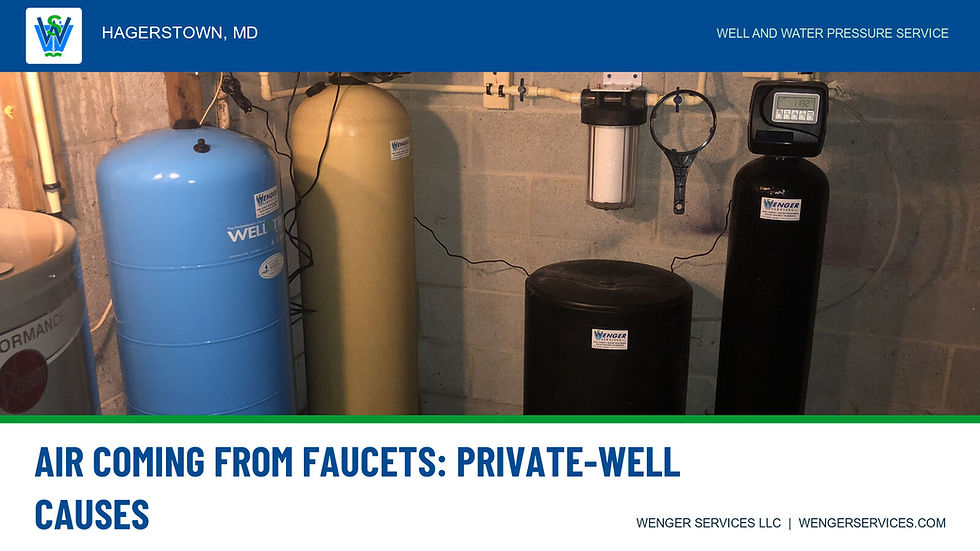
The well-pump replacement plan needs a plumbing scope that agrees with field conditions. Wenger should examine the pump, pressure tank, switch or controller, gauge, power supply, accessible piping, and the water source, resolve known conflicts, and state which contingencies remain after the review.
A practical project sequence
Confirm the goal of the well-pump replacement plan, the final product or system information, and the field dimensions or records needed to begin. Add this stage to the Gettysburg, PA project record.
Review the pump, pressure tank, switch or controller, gauge, power supply, accessible piping, and the water source and identify which components will remain, move, be protected, or require a

ccess. Record conflicts and decisions in the current project set.
Resolve utilities, routing, clearances, adjacent trades, occupied-space impacts, and any inspection or permit milestones before installation advances. Release affected work only after required coordination is complete.
Document contingencies that cannot be settled until access is opened, and define how the owner will approve a scope change. Record the approval path for any field change.
Test the completed work, record concealed conditions where useful, and provide operation, access, and maintenance information at closeout. Closeout should include tests, inspections, access, and maintenance information.
Turn the plan into a clear sequence of work
The new pump should be selected as part of the complete water system. Wenger replaces well pumps but does not drill wells.
The written plan should identify current documents, approved products, field dimensions, responsibilities, sequence, testing, inspections, access, and restoration boundaries. Unresolved items need owners and deadlines.
Apply the guidance to the actual Gettysburg, PA property
Confirm that the Gettysburg, PA property actually uses a private well, then share available well or pump records, pressure-gauge behavior, cycle timing, tank and control information, visible leaks, and whole-house demand.
Questions to ask before approving the scope
Which field conditions can still change the well-pump replacement plan?
What must be selected, approved, or inspected before the next phase?
Who is responsible for access, adjacent finishes, testing, and restoration?
How will completed work be checked against approved documents, field conditions, and inspection requirements?
What should the Gettysburg, PA property owner watch for after service?
Preserve the project and closeout record
Record normal cut-in, cut-out, or operating pressure when the system is healthy. Preserve test, inspection, and concealed-work information for closeout.
Keep the tank, controls, and shutoffs accessible. Update the plan when an approved field change affects access or future service.
Respond to rapid cycling before it adds wear to the pump and controls. File this with current drawings, submittals, field decisions, and approvals.
The project file should show the final routing or layout, approved changes, test results, inspection status, access provisions, and unresolved follow-up. Do not rely on memory after finishes close.
Wenger service and local plumbing resources
Continue with Wenger's well and water-pressure service page, the Gettysburg, PA plumbing page, and Low Water Pressure in Littlestown. The service page explains available work, while the location and related-article links add local and problem-specific context.
Frequently asked questions
Should a pressure tank be replaced whenever a well pump is replaced?
Not automatically. The tank and controls should be tested and their condition considered, but replacement should follow evidence rather than the pump job alone.
Why are product specifications important before work begins?
Specifications define dimensions, connections, clearances, utilities, and service needs that can change the well-pump replacement plan. A product name or photograph is not enough for rough-in.
What should be documented before walls, floors, or soil are closed?
Keep approved changes, test and inspection results, photographs where useful, component locations, and any operation or maintenance information relevant to the completed work.
Does this guidance apply to every Gettysburg, PA property?
Gettysburg, PA properties can differ in utility connection, well or septic use, building age, piping, equipment, and prior alterations. Confirm the actual system before applying advice that depends on a specific configuration.
Where can I learn more before requesting service?
Use the Wenger service and local plumbing links below, then review the related guide titled "Low Water Pressure in Littlestown" as supporting context for the well-pump replacement plan. Those resources do not replace an evaluation of the property.
Request well and water-pressure service in Gettysburg, PA
If you are preparing a well-pump replacement plan, bring the available records, field dimensions, product information, access questions, and project schedule to the first review. Contact Wenger Services through the matching service page for help in Gettysburg, PA and nearby Adams County communities. Wenger's stated policy is: "We don't charge to show up."