How To Find Underground Water Leaks: A Homeowner’s Guide to Spotting Hidden Problems (and Saving Big)

If your water bill suddenly skyrocketed or you’ve noticed a weird wet patch in the yard that never dries up, you might have an underground leak. These sneaky issues can waste thousands of gallons a month, erode your foundation, and lead to expensive repairs if ignored. The good news? Wenger Services offers smart, non-destructive technology to pinpoint leaks fast, often without tearing up your entire lawn or driveway (but we can't make any promises)
In this guide, we’ll walk you through the common signs, simple DIY checks you can do today, exactly how pros locate the problem, what to expect when you call one, and tips to prevent leaks in the future to protect your home and your wallet.
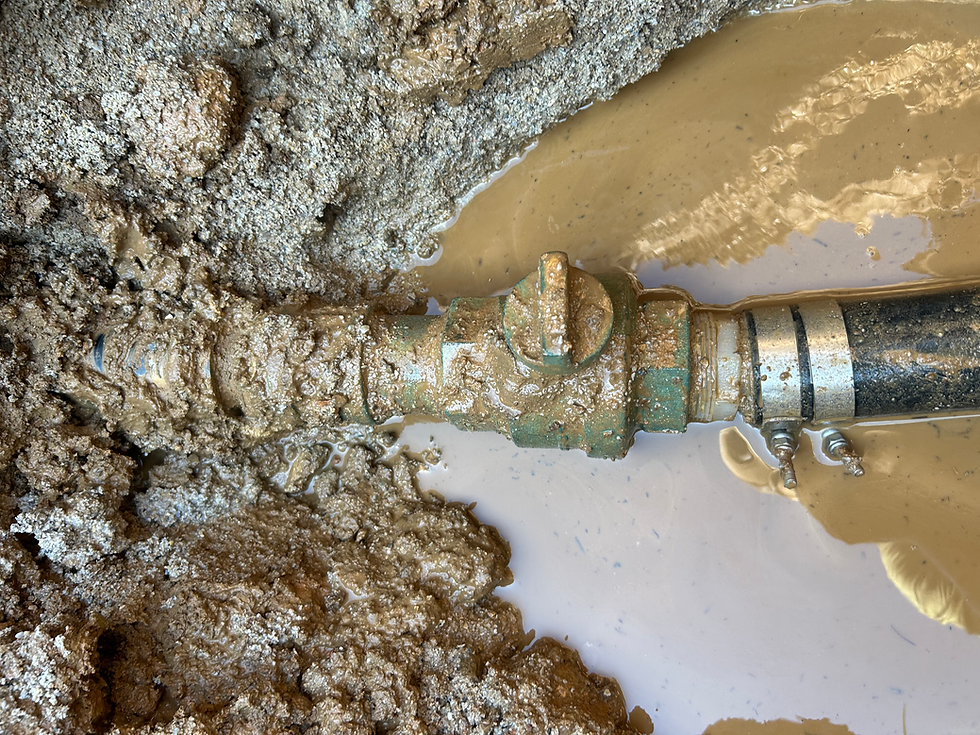
Signs You Might Have an Underground Water Leak
Don’t wait for a flooded basement or a $1,000+ water bill. Watch for these red flags:
Unexplained high water bills – Even small leaks can add hundreds of dollars over time.
Wet, soggy, or pooling spots in the yard – Especially noticeable during dry weather.
Unusually lush or green grass patches – The extra water acts like free fertilizer.
Low water pressure throughout the house.
Sinking soil, depressions, or eroded areas around your foundation or pipes
For slab homes: warm or cold spots on floors, musty smells, or damp carpets.
Quick DIY Checks You Can Do Right Now
Before calling us, rule out (or confirm) a leak with these easy steps (no tools required):
Water meter test: Turn off all water in the house (faucets, toilets, sprinklers, ice maker - everything). Go to your water meter and watch the dial or digital display for 15–30 minutes. If it moves, you almost certainly have an underground leak between the meter and your house.
Walk the property: Look for those wet spots, greener grass, or soft ground. Check near trees, driveways, and the foundation.
Listen closely: Sometimes you can hear a faint hissing near the leak if it’s big enough.
These checks take minutes and help our plumbers at Wenger Services narrow things down faster.
How Wenger Plumbers Actually Find the Leak (The High-Tech Part)
Once we confirm a plumbing leak exists, we don’t just start digging randomly. We can use specialized equipment to locate it within inches. Here are the most common methods Plumbers can use:
1. Acoustic Leak Detection
Some plumbers use sensitive electronic microphones, ground probes, or “listening sticks” (sometimes paired with headphones or digital correlators) to hear the sound of water escaping under pressure. Plumbers place sensors along the suspected line and our techs calculate the exact spot by timing the sound waves. It’s fast, non-invasive, and works great on metal pipes.
2. Thermal Imaging (Infrared Cameras)
For hot-water lines or leaks that change soil temperature, a handheld infrared camera scans the ground or slab. Leaking water shows up as a cool (or warm) spot on the color-coded image. This is especially handy under concrete or in hard-to-hear areas.
3. Tracer Gas Detection
When sound or heat won’t cut it (plastic pipes, tiny leaks, or noisy yards), plumbers drain the line and inject a safe, odorless tracer gas (usually a hydrogen/nitrogen mix). The gas rises through the soil at the leak point, and a handheld detector “sniffs” it out precisely. This method works on any pipe material and is incredibly accurate.
4. Supporting Tools
Soil probing rods – A simple metal rod pushed into the ground to feel for wet soil or listen for water.
Pressure tests, electromagnetic locators, or video cameras round things out when needed.
What to Expect When You Hire Wenger Services
Most leak-detection visits take 1-3 hours. As a certified plumber, we'll arrive with a van full of gear, performs the initial tests, and possible use 2-3 methods to confirm the exact location.
Cost: Varies in range depending on the location and tools needed, but it can end up on the higher end for complex slab leaks. However, it’s a smart investment - pinpointing the leak can save you thousands compared to random digging and major yard repairs. Repairs are quoted separately once the spot is found.

Prevention Tips to Avoid Future Leaks
Schedule annual plumbing inspections.
Know the location of your main water line and shut-off valve.
Monitor your water meter and bills monthly.
Plant trees and shrubs away from known pipe locations.
Upgrade old galvanized or polybutylene pipes if your home is 30+ years old.
Consider smart water leak detectors that alert your phone.
Don’t Dig Blind, Call the Experts
Underground leaks are more common than most homeowners realize, but modern detection makes fixing them easier and cheaper than ever. If you spot any warning signs, don’t ignore them. A quick call to a licensed plumber, like Wenger Services, with leak-detection experience can save your yard, your foundation, and your budget.
Have questions about your specific situation? Give us a call at 1-717-640-6442.